415nm
EXACT WAVELENGTH · COMBINATION STUDY
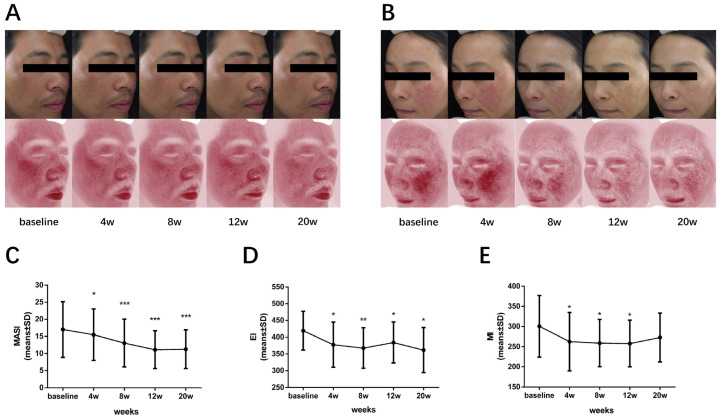
Visible blue light
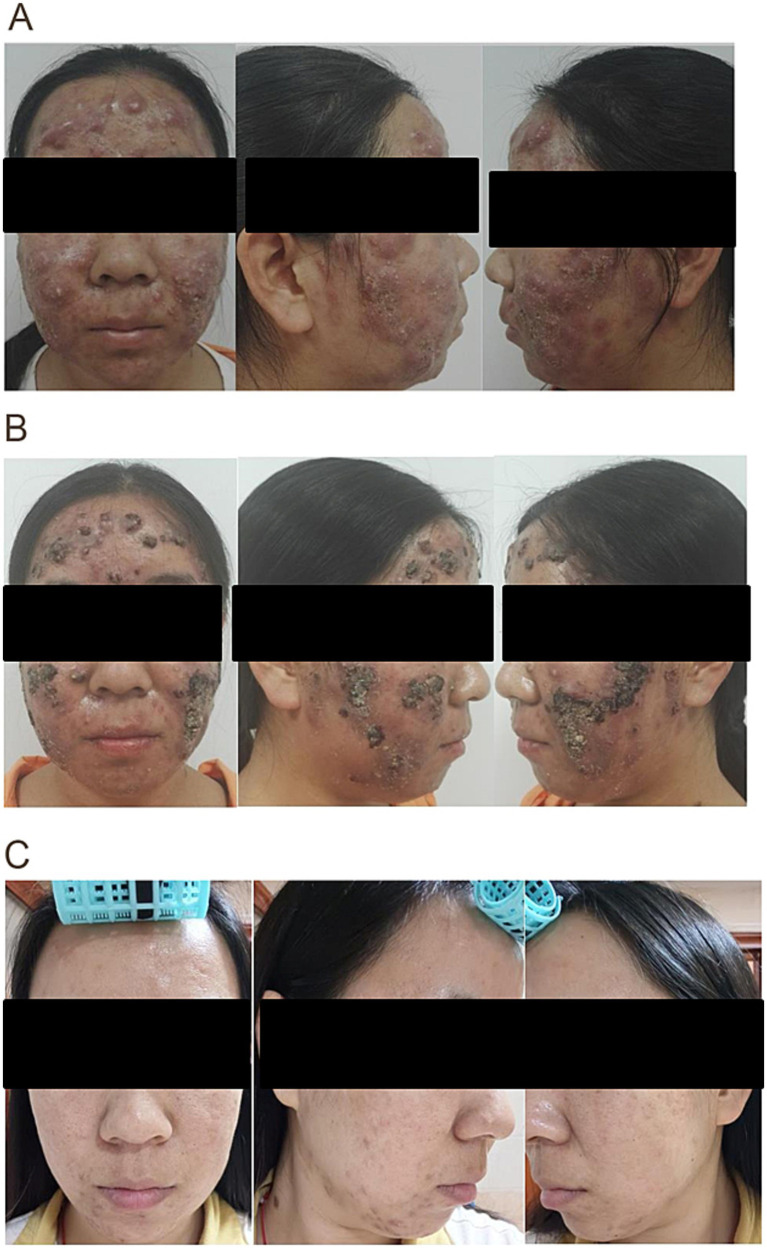
Studied as part of a 415 + 660 nm regimen for acne. The result cannot be attributed to 415 nm alone.
British Journal of Dermatology · PMID 10809858 ↗ PYROS
LIGHT CARE, SEEN MORE CLEARLY
Published studies examine how selected wavelengths interact with skin. PYROS brings that light-care language into three considered formats for home routines.
THE PYROS COLLECTION
Move from focused care to full-face coverage or a broader desktop field. Each device is designed around a different way of using light at home.
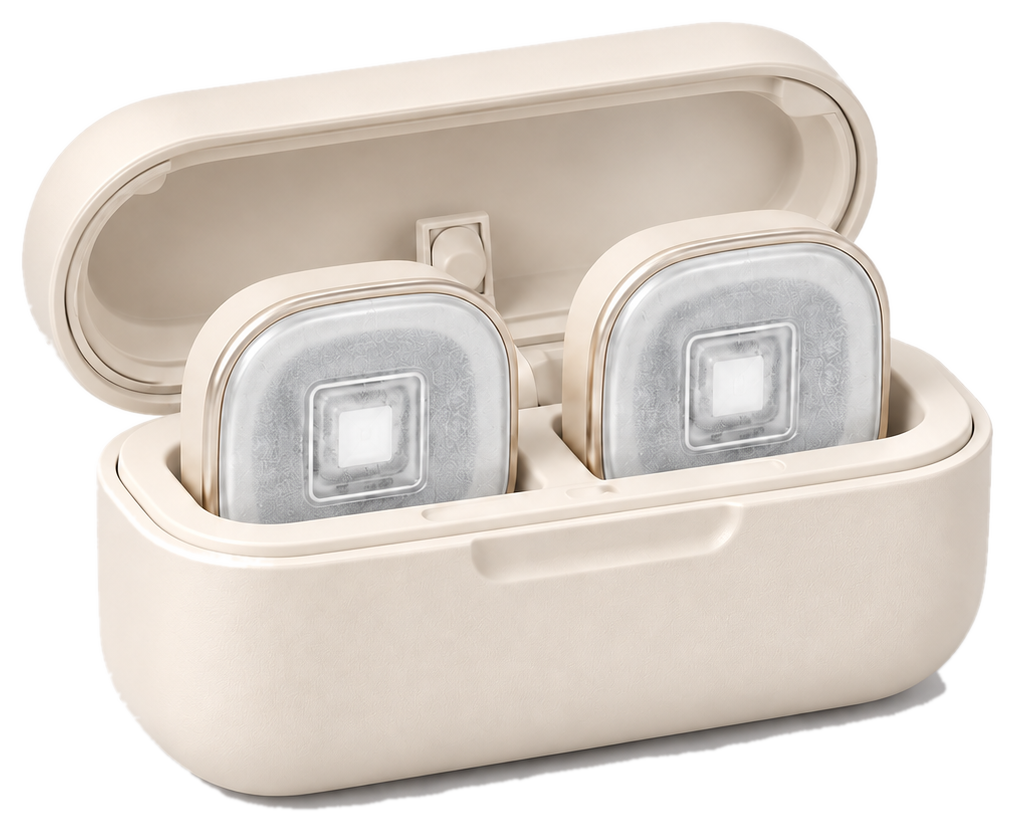
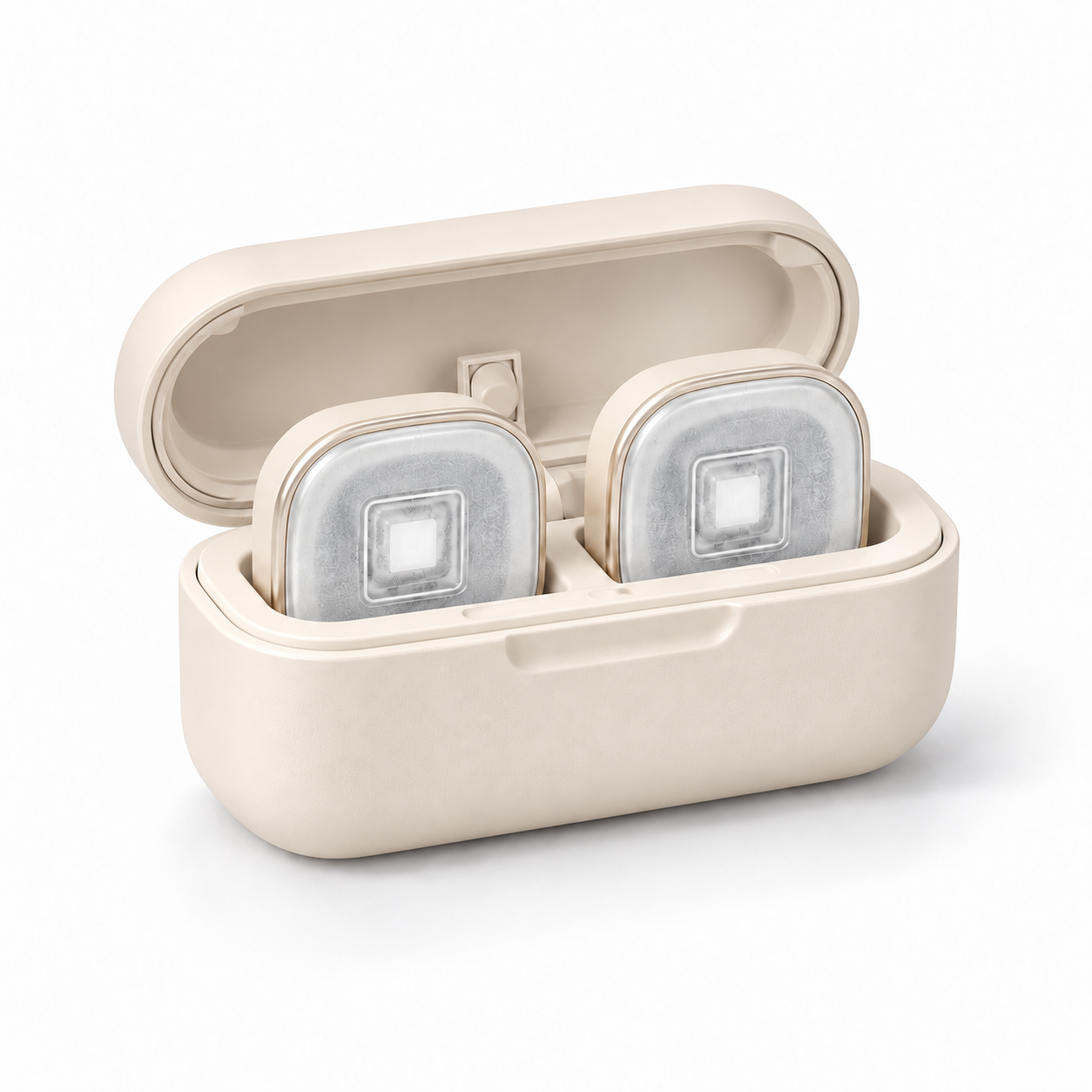
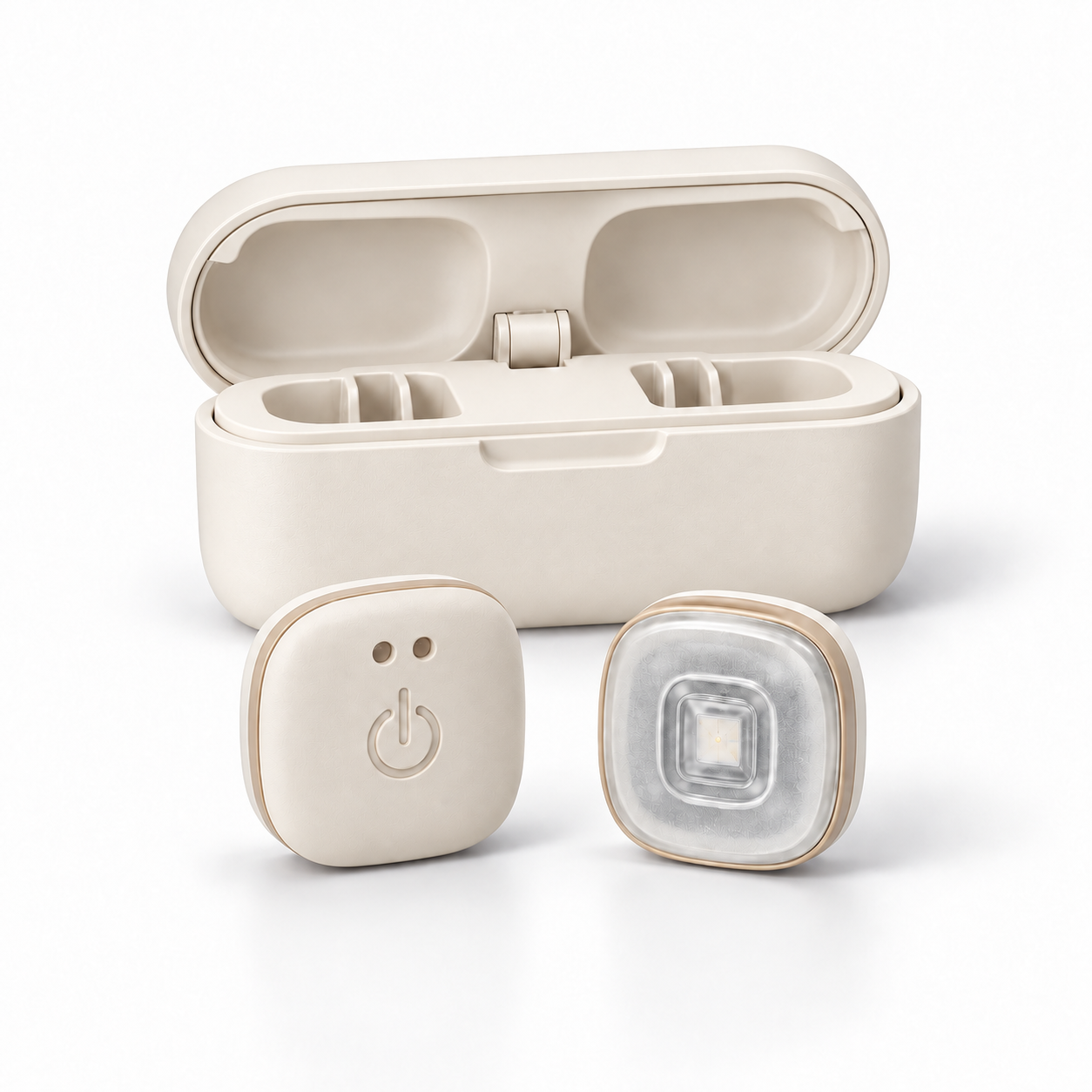
F1003 · TARGETED
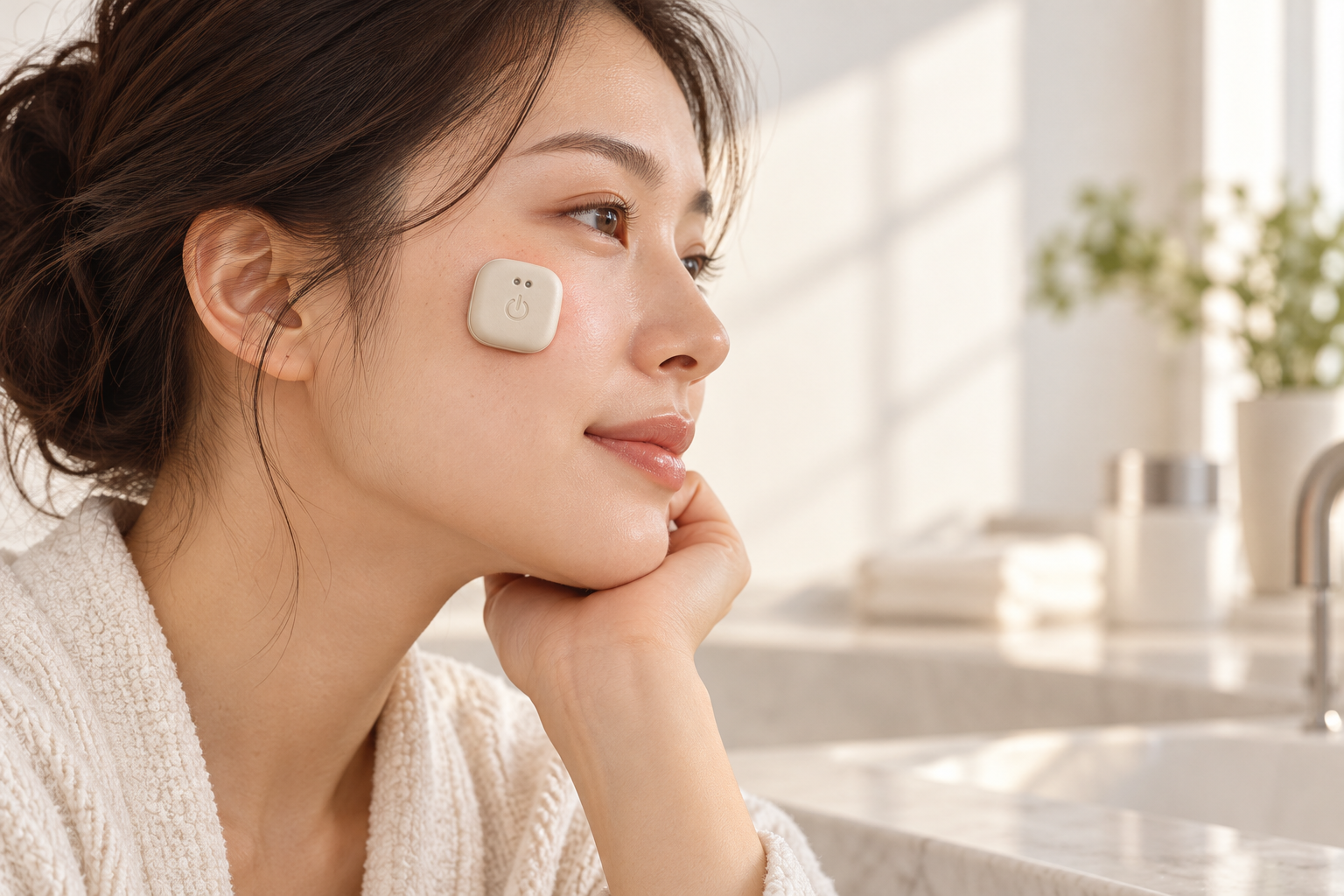
A compact two-unit set for localized light care, stored together in a Type-C charging case.
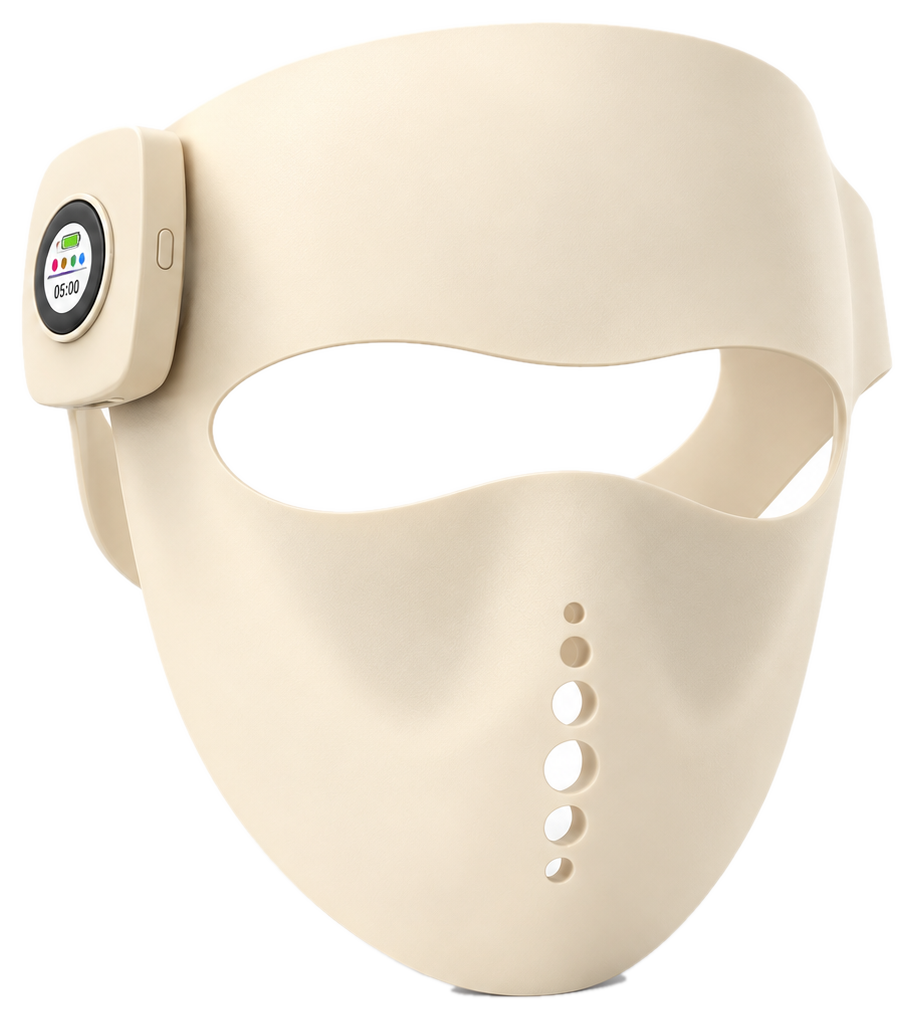
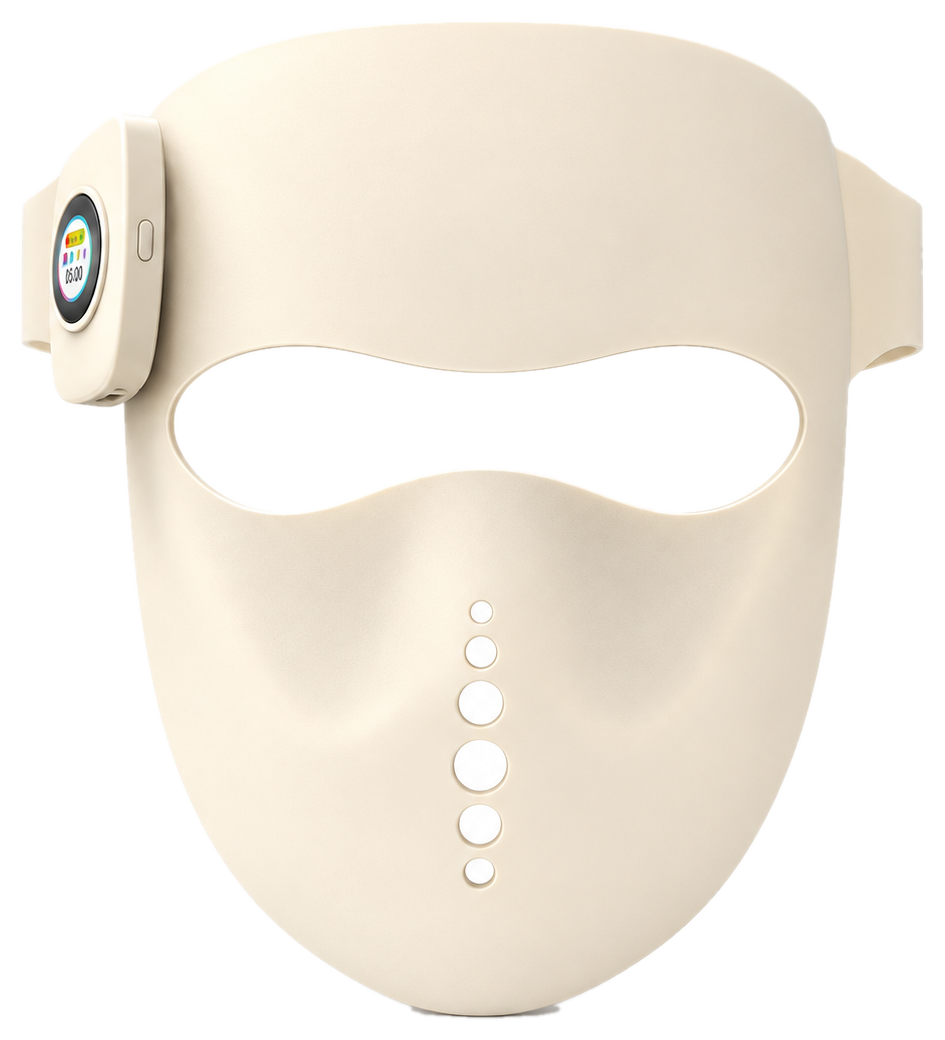
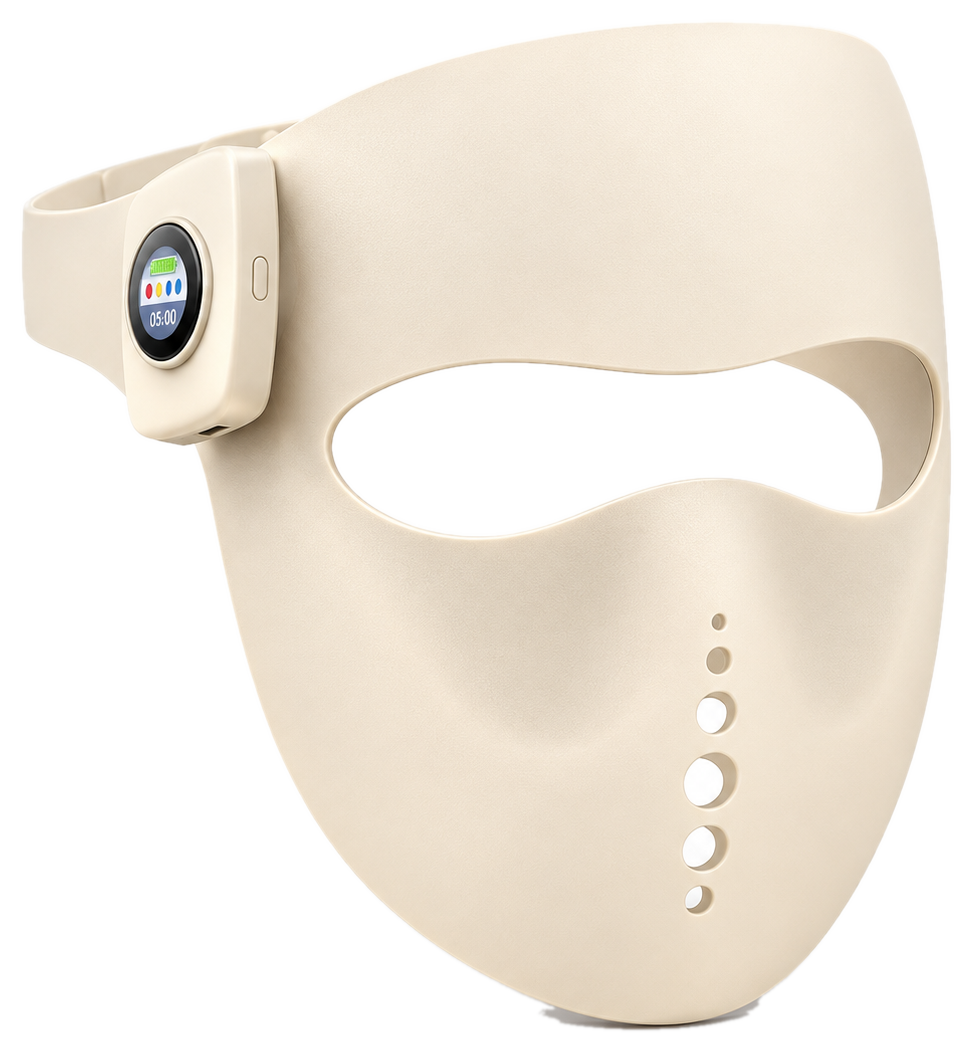
F1001 · WEARABLE
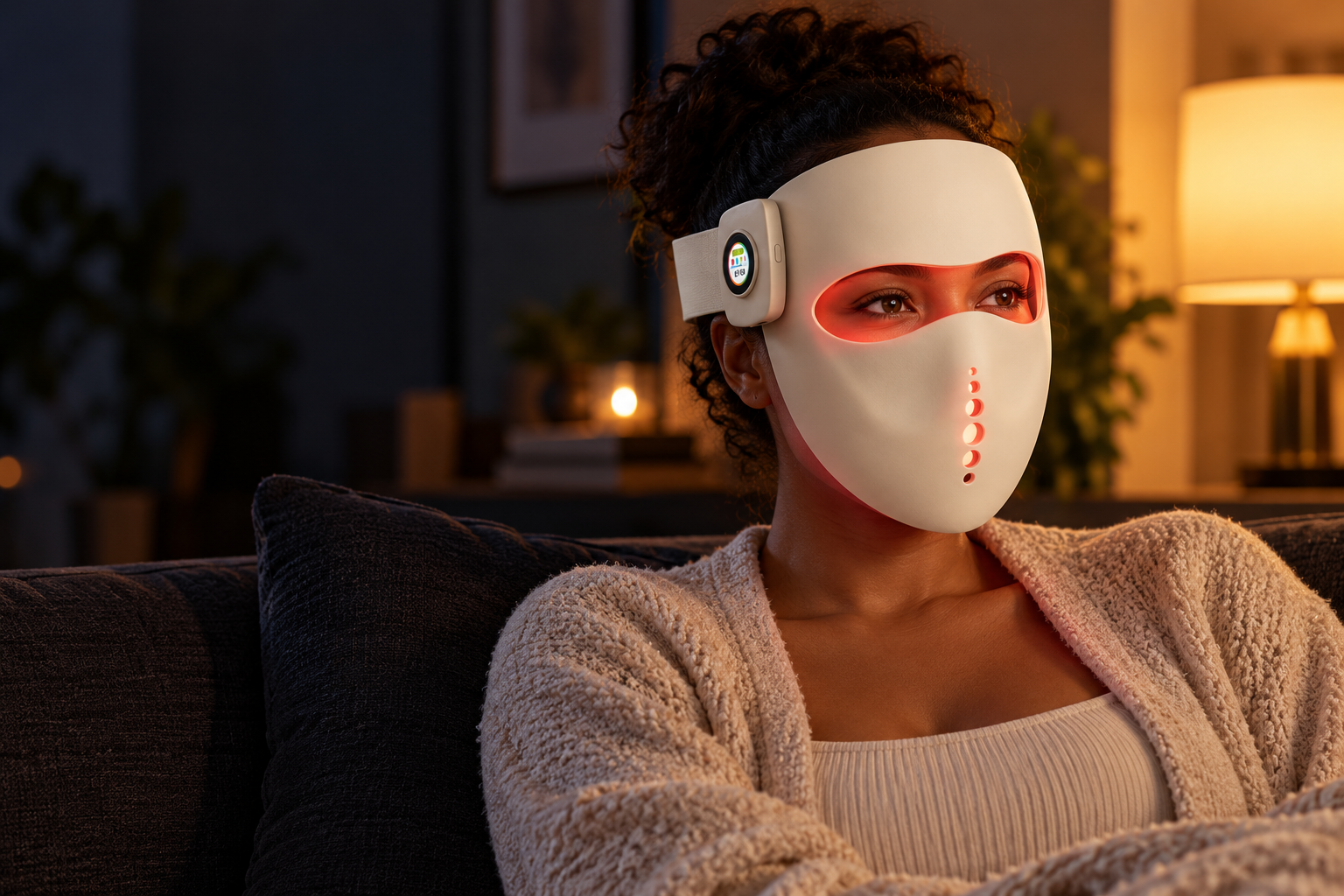
A flexible full-face mask with an integrated side controller, made for untethered at-home use.
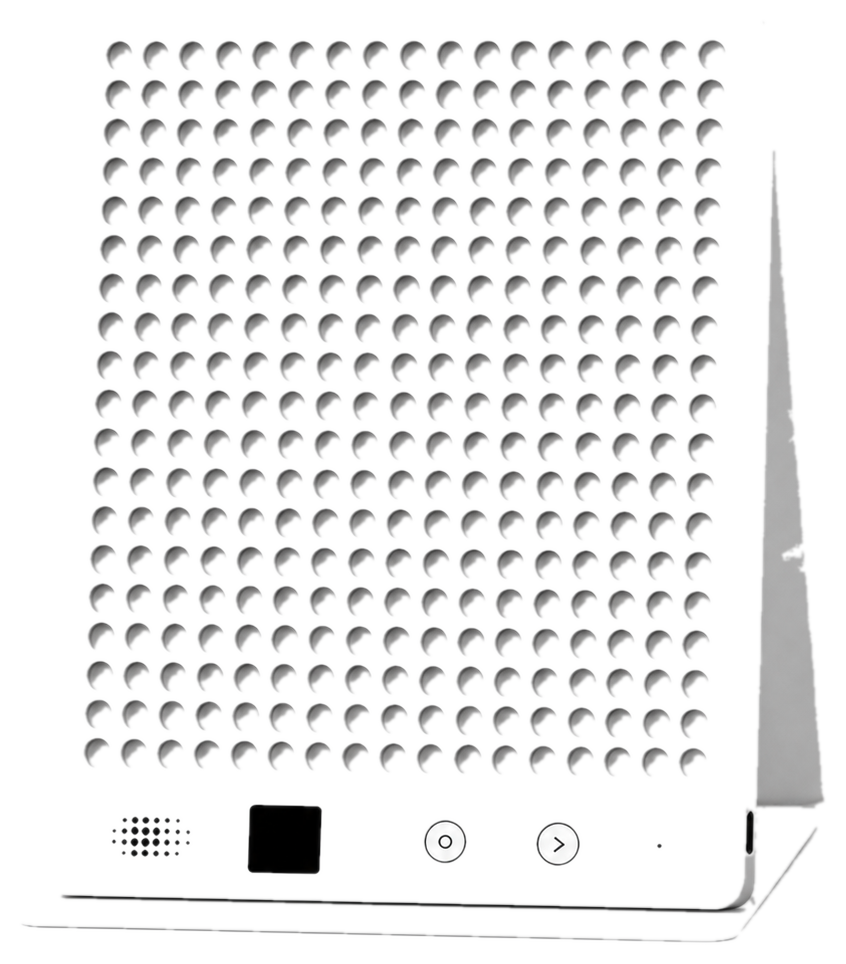
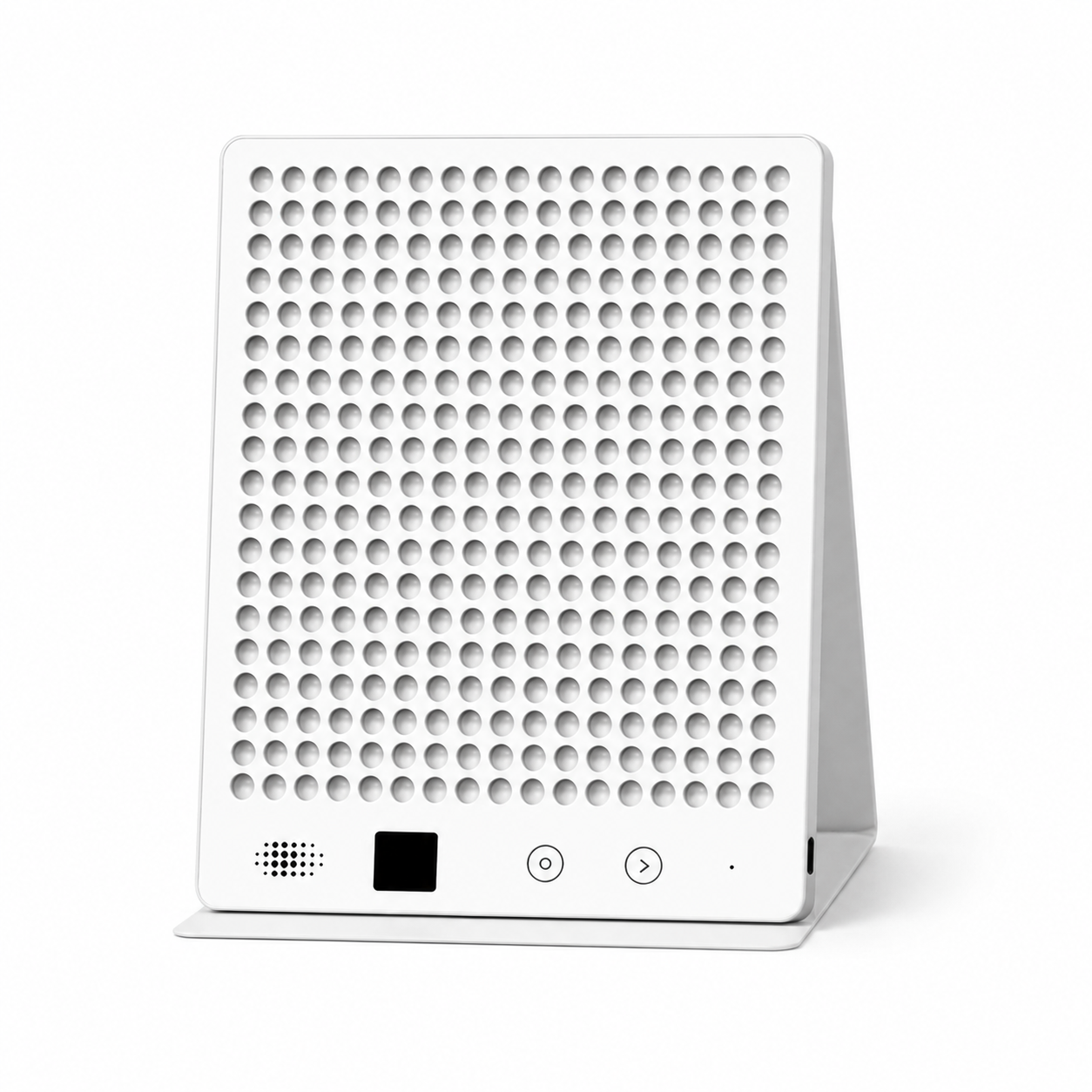
S3PRO S3001 · DESKTOP
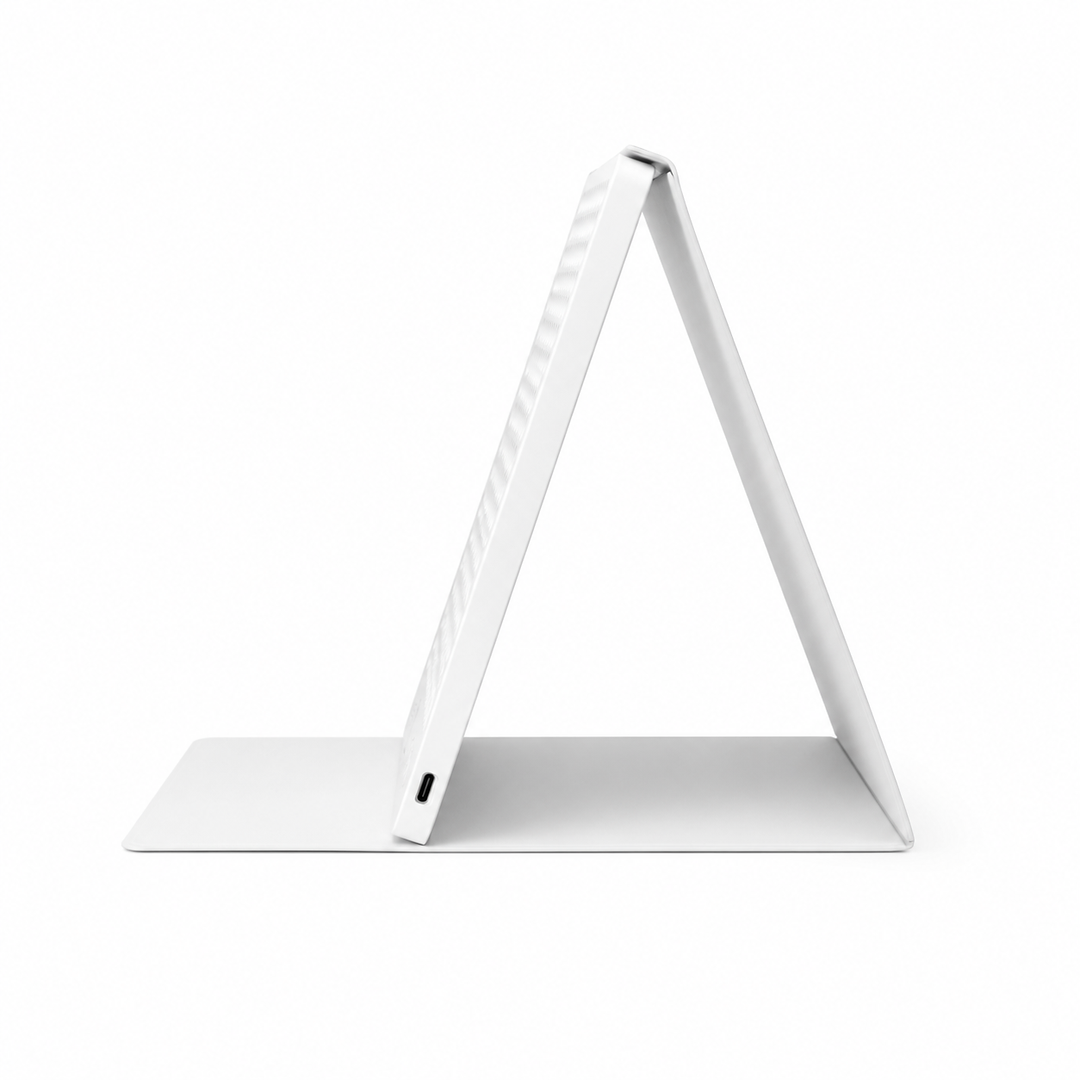
A foldable desktop panel for face, neck and localized home routines, with on-device display and controls.
LIGHT THAT LIVES WITH YOU
From a focused morning session to a slower evening ritual, PYROS formats are designed to fit naturally into the way people already live.
Learn about light →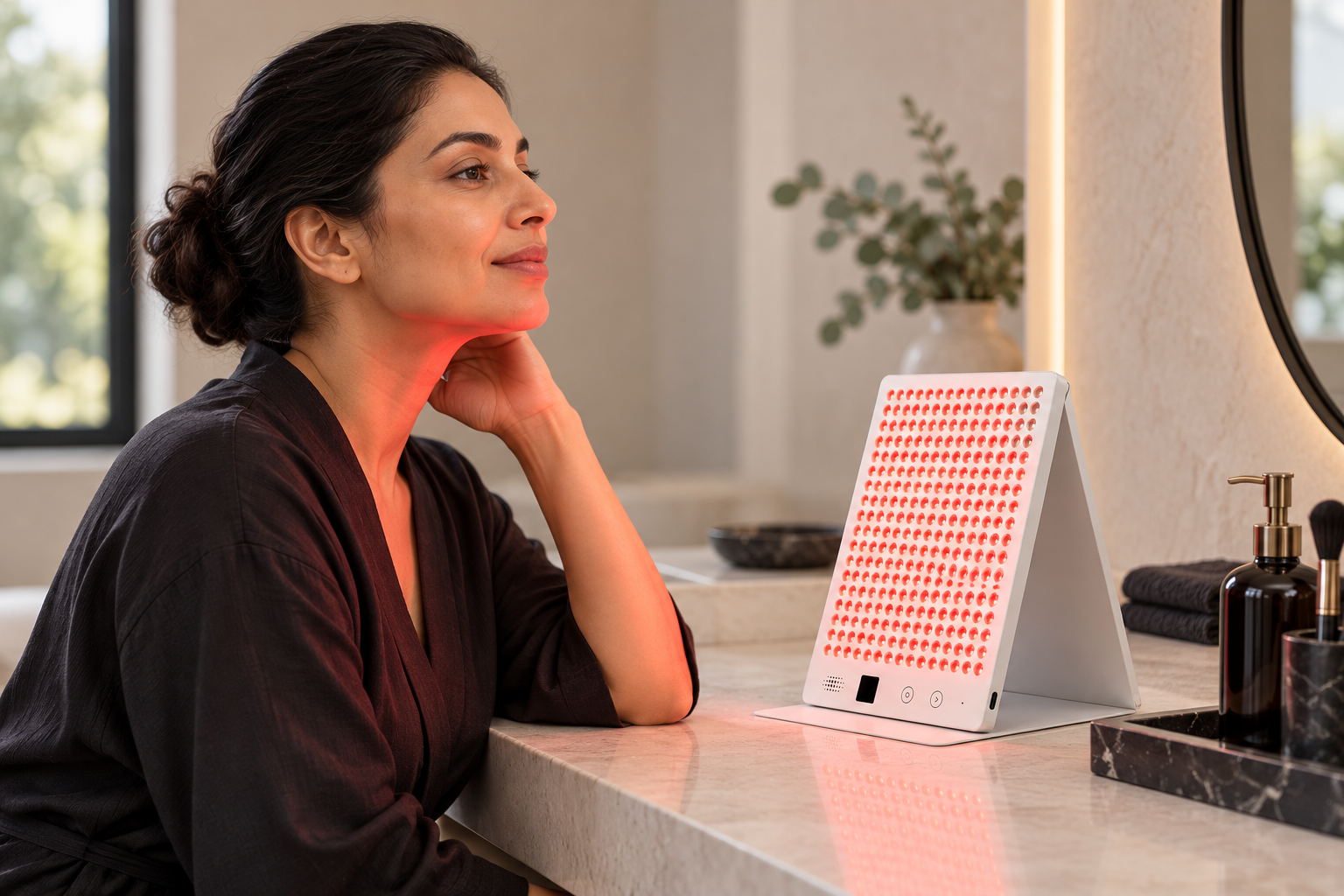
COMPARE THE RANGE
LIGHT, EXPLAINED
A complete light-care routine also depends on dose, distance, session time, frequency and individual skin condition. Product specifications should never be read as a guaranteed outcome.
HOW PHOTOBIOMODULATION IS STUDIED
Photobiomodulation uses selected visible red and near-infrared wavelengths. Laboratory and clinical research suggests that absorbed photons may influence cellular energy metabolism and signaling. The complete response in human tissue is still being studied.
How much arrives depends on wavelength, skin, angle, distance and device output.
Cellular chromophores, including proposed mitochondrial targets, interact with light.
Studies examine changes involving ATP, nitric oxide and redox signaling.
Researchers assess outcomes such as skin appearance, collagen markers and recovery.
Mechanism overview: de Freitas & Hamblin, 2016 · Review · PMID 28070154
THE SPECTRUM, IN CONTEXT
Wavelength indicates color and influences tissue interaction, but it does not predict a result by itself. Published studies often use different devices, doses and nearby rather than identical wavelengths.
EXACT WAVELENGTH · COMBINATION STUDY
Studied as part of a 415 + 660 nm regimen for acne. The result cannot be attributed to 415 nm alone.
British Journal of Dermatology · PMID 10809858 ↗NEARBY EVIDENCE · 590 NM
Nearby 590 nm LED research explored photomodulation and skin appearance. A 5 nm difference means equivalence should not be assumed.
Dermatologic Surgery · PMID 16176771 ↗NEARBY EVIDENCE · 633 NM
A controlled 633 nm study assessed skin texture, histology and biochemical markers. It did not test 630 nm PYROS devices.
Journal of Photochemistry & Photobiology B · PMID 17566756 ↗NEARBY EVIDENCE · 830 NM
Near-infrared generally reaches relatively deeper tissue than visible red light. The cited trial used 830 nm, not 850 nm.
Randomized, double-blind study · PMID 17566756 ↗RESEARCH SNAPSHOT · SKIN
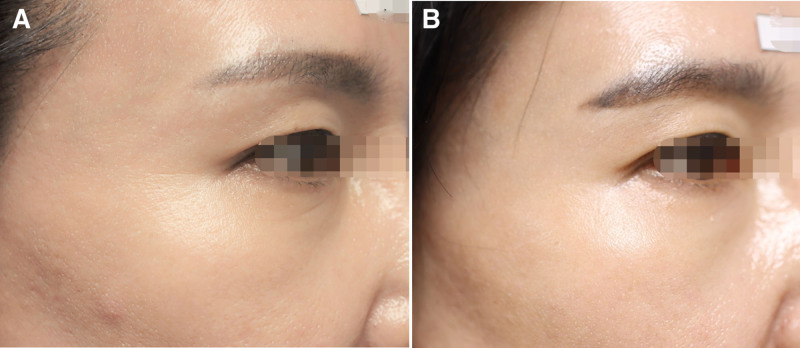
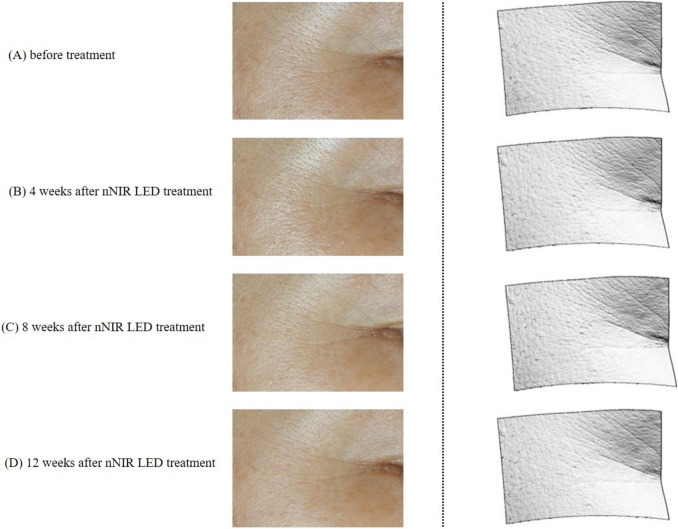
A 2014 controlled trial followed 136 participants and reported significant improvements in treated groups compared with controls after a course of red or near-infrared light sessions.
Important: this independent study did not use PYROS products. Device parameters and treatment protocols differ.
Read the abstract · PMID 24286286 ↗QUESTIONS, ANSWERED CAREFULLY
Research findings depend on the target, wavelength, delivered dose and treatment schedule. More wavelengths or longer sessions do not automatically mean better results.
Some applications, including aspects of skin appearance, androgenetic hair loss and selected recovery or clinical-support settings, have human evidence. Results vary by device and protocol, so one study cannot validate every red-light product.
Red light is visible and is commonly studied for skin and superficial targets. Near-infrared is usually invisible and can reach relatively deeper tissue. Actual delivery still depends on output, distance, tissue and dose.
No. Photobiomodulation can show a biphasic dose response: too little may be insufficient, while too much may reduce the response. Follow the instructions for the specific device rather than borrowing a schedule from another study.
Timelines differ by outcome. Skin and hair studies often run for weeks or months, while some recovery measures are assessed after one or several sessions. Individual results vary.
That depends on device output, session dose and intended use. Research schedules range from several times a week to daily use. Increasing frequency does not necessarily increase benefit.
SELECTED RESEARCH
This page summarizes independent public research for education only. Cited studies used different devices, wavelengths, doses and participant groups; they do not establish the performance of any PYROS product. This information is not medical advice, and PYROS products are not intended to diagnose, treat, cure or prevent disease.
PYROS FOR BUSINESS
For beauty retail, wellness channels, specialty distribution and private-label conversations.